

What Do Chiropractors Do in Grand Rapids MI? A Complete Guide to Chiropractic Care
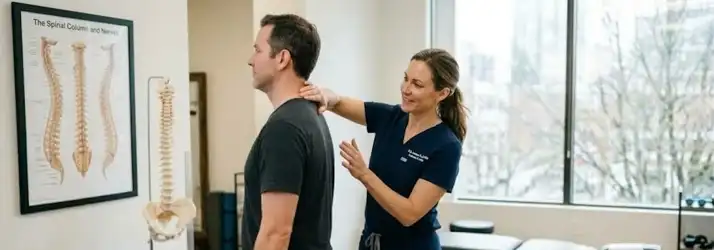
Back pain, neck stiffness, headaches, joint discomfort, and movement problems can make everyday activities harder. When these symptoms continue, many people start looking for conservative treatment options and ask an important question: What do chiropractors do in Grand Rapids MI?
A chiropractor is a licensed healthcare professional who primarily evaluates and manages problems involving the musculoskeletal system, including the spine, joints, and surrounding muscles. Chiropractic care commonly includes manual techniques such as spinal manipulation, but treatment may also involve mobility work, exercise, rehabilitation, and advice related to movement and daily activities.
But chiropractic care is more than simply “cracking your back.” A proper visit starts with understanding your symptoms, health history, physical function, and treatment goals.
This guide explains what chiropractors do, what they treat, what happens during an adjustment, how chiropractic care works, who may benefit, how chiropractors are trained, and what to consider before choosing a provider.
What Is a Chiropractor in Grand Rapids MI?
A chiropractor is a licensed healthcare professional who focuses primarily on the musculoskeletal system, including the spine, joints, muscles, and related movement problems. Chiropractors commonly begin with a health history and physical examination. Depending on the situation and state scope of practice, they may also use diagnostic tests or refer a patient for additional evaluation. Treatment can include:
- Spinal manipulation
- Joint mobilization
- Soft-tissue techniques
- Stretching and mobility exercises
- Strengthening exercises
- Rehabilitation
- Posture and movement guidance
- Home-care recommendations
The exact approach depends on the patient's condition and goals. Chiropractic care is not one standardized treatment; different chiropractors may use different techniques.
What Does a Chiropractor Do?
So, what does a chiropractor do during a typical visit? The process usually starts with an evaluation rather than immediately performing an adjustment. A chiropractor may:
1. Ask about your symptoms and health history.
2. Review previous injuries, surgeries, or relevant medical conditions.
3. Examine movement, range of motion, posture, and areas of discomfort.
4. Determine whether chiropractic care is appropriate.
5. Develop an individualized treatment plan.
6. Use appropriate manual or other conservative techniques.
7. Monitor your response and adjust the plan when needed.
Spinal manipulation is one of the techniques chiropractors may use. It involves applying a controlled force to a joint, usually to improve joint movement and function. Importantly, not every patient needs the same technique, and an adjustment is not automatically appropriate for every condition.
Chiropractic Therapy and Chiropractic Treatment Explained
Chiropractic therapy and chiropractic treatment are broad terms that can describe different conservative approaches used within chiropractic care. Depending on the practitioner and the patient's needs, treatment may include:
Spinal Manipulation
A controlled thrust is applied to a joint to influence its movement. H3: Joint Mobilization Mobilization uses slower, controlled movements within or around a joint's normal range rather than the quick thrust used in manipulation.
Soft-Tissue Techniques
Some chiropractors use hands-on techniques directed at muscles and other soft tissues.
Therapeutic Exercise
Exercises may be recommended to improve strength, mobility, coordination, or tolerance for everyday activities.
Rehabilitation
A rehabilitation-focused plan may combine movement training, strengthening, mobility work, and other techniques based on the patient's condition. The goal should be appropriate care for the person's actual problem—not simply performing the same treatment at every appointment.
What Happens During a Chiropractic Adjustment?
One of the most common questions before a first visit is: What happens during a chiropractic adjustment? A chiropractic adjustment, also called spinal manipulation when performed on the spine, involves a trained practitioner applying a controlled force to a joint. The technique may be performed by hand or with a device. During an appointment, you may experience:
- Pressure
- A quick movement
- Mild temporary discomfort
- A popping or clicking sound
The popping sound sometimes heard during an adjustment is related to changes in gas within the joint and does not mean that bones are grinding together. Not every adjustment produces a popping sound, and a popping sound is not necessary for treatment to be effective. A chiropractor may also choose a gentler mobilization technique instead of a high-velocity adjustment depending on the patient's condition, preferences, and clinical findings.
How Chiropractic Care Works
How chiropractic care works depends on the treatment being used and the condition being addressed.
Spinal manipulation is thought to influence joint movement and can affect pain-related sensory and neuromuscular responses. Research has found that spinal manipulation may provide small improvements in pain and function for some people with acute or chronic low-back pain.
It is important not to oversimplify this process by saying that chiropractors “put bones back into place” or remove a universal form of “nerve interference.” Those explanations do not accurately describe the full evidence behind modern chiropractic care.
For many patients, chiropractic care is best understood as a conservative approach focused on improving movement, managing musculoskeletal symptoms, and supporting physical function.
What Do Chiropractors Treat?
Chiropractors primarily work with musculoskeletal complaints. Common reasons people seek chiropractic care include:
- Low-back pain
- Neck pain
- Muscle and joint discomfort
- Reduced mobility
- Certain types of headaches
- Sports-related musculoskeletal injuries
- Whiplash-related symptoms
- Joint stiffness
- Movement limitations
Low-back pain is one of the areas with substantial research. The American College of Physicians includes spinal manipulation among several non-drug options that may be considered for acute, subacute, and chronic low-back pain.
However, chiropractic treatment is not appropriate for every medical condition. Symptoms caused by serious disease, infection, fracture, neurological emergencies, or other conditions requiring medical treatment need appropriate medical evaluation.
Who Can Receive Chiropractic Treatment?
There is no single age group that automatically needs or qualifies for chiropractic care.
Adults may seek care for back pain, neck pain, sports injuries, stiffness, or movement limitations. Older adults may discuss care for certain musculoskeletal problems, while athletes may seek help with movement and injury rehabilitation.
Children and teenagers should receive care only when appropriate for their age and condition, using techniques suited to them.
Pregnancy also requires individualized consideration. If someone is pregnant and considering spinal manipulation, they should discuss the potential benefits and risks with an appropriate healthcare professional.
The key question is not simply “Can this person receive chiropractic treatment?” but “Is this particular treatment appropriate for this person and this condition?”
Who Can Benefit From Chiropractic Treatment?
People who may benefit from chiropractic treatment include those with certain musculoskeletal conditions that respond to conservative care.
For example, someone experiencing mechanical low-back pain may discuss spinal manipulation alongside other non-drug options such as exercise or rehabilitation.
A treatment plan may also be useful for people who need help improving mobility, recovering from a musculoskeletal injury, or returning to normal activities.
Results vary. Chiropractic care should not be presented as a guaranteed solution, and a good treatment plan should include realistic expectations.
What Are the Benefits of Chiropractic Care?
Potential benefits depend on the condition and treatment used. For some patients, chiropractic care may help:
- Reduce certain types of musculoskeletal pain
- Improve joint movement
- Improve physical function
- Reduce stiffness
- Support return to everyday activities
- Provide a non-drug treatment option
- Complement exercise and rehabilitation
Research suggests spinal manipulation can produce modest improvements in pain and function for some people with low-back pain.
That does not mean chiropractic care will work the same way for everyone. The expected benefit depends on the diagnosis, duration of symptoms, overall health, and treatment approach.
Reasons to See a Chiropractor
Common reasons to see a chiropractor may include:
- Persistent or recurring back pain
- Neck discomfort or stiffness
- Certain headaches associated with musculoskeletal problems
- Limited joint movement
- Sports-related injuries
- Whiplash-related musculoskeletal symptoms
- Difficulty moving comfortably
- A desire to explore conservative treatment options
You do not have to wait until pain becomes severe before discussing your options. At the same time, routine chiropractic visits should not replace appropriate medical screening when symptoms suggest a more serious problem.
When Should You See a Chiropractor?
You may consider consulting a chiropractor when musculoskeletal pain, stiffness, or restricted movement is affecting your daily activities.
An evaluation may be particularly useful when symptoms continue, return repeatedly, or interfere with work, exercise, sleep, or normal movement.
However, some symptoms need medical attention first. Seek urgent medical care for symptoms such as:
- New loss of bladder or bowel control
- Severe or rapidly worsening weakness
- Significant loss of sensation
- Serious injury or major trauma
- Sudden severe neurological symptoms
- Chest pain or difficulty breathing
- Other symptoms that may indicate a medical emergency
A responsible chiropractor should recognize situations that require referral or additional medical evaluation.
Is Chiropractic Care Safe?
A common question is: Is chiropractic care safe?
For appropriately selected patients, spinal manipulation is generally associated with mostly mild and temporary side effects such as soreness, stiffness, headache, or increased discomfort. Serious complications are rare, but they can occur.
Neck manipulation deserves particular attention. NCCIH notes an association between cervical spinal manipulation and cervical artery dissection, a rare condition that can lead to stroke, although available evidence does not establish that manipulation directly causes these artery tears. That is why a proper health history and discussion of risks and benefits matter before treatment.
Tell your chiropractor about:
- Previous injuries
- Surgeries
- Osteoporosis or bone problems
- Neurological conditions
- Blood-clotting problems
- Medications
- Pregnancy
- Other significant medical conditions
Safety starts with selecting the right treatment for the right patient.
Are Chiropractors Doctors?
Yes, chiropractors are healthcare professionals who earn a Doctor of Chiropractic (D.C.) degree in the United States.
However, a chiropractor is not the same type of doctor as a medical doctor (M.D.) or a doctor of osteopathic medicine (D.O.).
Their education and professional scope are focused primarily on chiropractic and musculoskeletal care.
In the United States, chiropractors must complete the required professional education, pass applicable licensing examinations, and meet state licensing requirements.
Chiropractor Schooling and Education
In the U.S., chiropractors earn a Doctor of Chiropractic (D.C.) degree. According to NCCIH, D.C. programs typically take about four years after the required undergraduate education. Chiropractic education includes subjects such as anatomy and physiology as well as supervised clinical training. Training can include:
- Anatomy
- Physiology
- Neurology
- Diagnostic principles
- Musculoskeletal assessment
- Chiropractic techniques
- Clinical sciences
- Supervised patient care
After completing the required education, chiropractors must satisfy licensing requirements in the state where they practice. Requirements vary by state.
What Do Chiropractors Use?
You may wonder, what tools do chiropractors use? Equipment varies between clinics, but may include:
- Chiropractic adjustment tables
- Drop-section tables
- Handheld adjusting instruments
- Mobilization tools
- Soft-tissue equipment
- Rehabilitation equipment
- Exercise and stretching tools
- Therapeutic technology
Some clinics may also offer services such as spinal decompression or SoftWave therapy.
Not every chiropractor uses every tool. Equipment should support an appropriate treatment plan rather than determine the treatment by itself.
Where Do Chiropractors Work?
Many chiropractors work in private chiropractic offices. Others may practice in multidisciplinary healthcare settings, rehabilitation environments, sports-related facilities, or other healthcare organizations, depending on their training and state scope of practice.
The setting can vary, but the central focus remains patient evaluation and management of conditions within the chiropractor's professional scope.
What Do Doctors Think of Chiropractors?
The relationship between chiropractic and conventional medicine is more nuanced than simply asking whether doctors “support” or “oppose” chiropractors.
Research and clinical guidelines recognize spinal manipulation as one non-drug option for certain low-back pain patients. The American College of Physicians includes spinal manipulation among recommended non-drug approaches for acute, subacute, and chronic low-back pain.
At the same time, healthcare professionals may disagree about specific techniques, indications, or the strength of evidence for particular conditions.
The most useful approach is coordinated care. If you see both a chiropractor and another healthcare professional, make sure each provider knows about the treatments you are receiving.
Chiropractic Care vs. Physical Therapy
Chiropractic care and physical therapy can overlap, but they are not identical professions.
Chiropractic care often includes spinal or joint manipulation, mobilization, and other approaches directed toward musculoskeletal symptoms.
Physical therapy commonly emphasizes:
- Strengthening
- Mobility
- Balance
- Functional training
- Exercise progression
- Rehabilitation after injury or surgery
The choice does not always have to be either/or. Depending on the condition, a patient may work with different healthcare professionals as part of a broader recovery plan. The most appropriate option depends on the diagnosis, symptoms, goals, and individual circumstances.
How to Choose a Chiropractor
If you are searching for a chiropractor, look beyond advertising claims.
Consider asking:
- Is the chiropractor licensed in my state?
- What education and training have they completed?
- Do they have experience with my condition?
- What treatment options are available?
- How will my progress be monitored?
- What are the potential benefits and risks?
- How many visits might I need?
- What will treatment cost?
- Will they coordinate with my other healthcare providers when appropriate?
NCCIH also recommends checking education, licensing, training, and experience when selecting a complementary health practitioner.
Be cautious of anyone who promises a guaranteed cure, says one treatment is appropriate for everyone, discourages necessary medical care, or recommends prolonged treatment without clearly explaining the clinical reasoning.
Frequently Asked Questions
What do chiropractors do?
What does a chiropractor do on the first visit?
What do chiropractors treat?
What happens during a chiropractic adjustment?
Are chiropractors doctors?
What degree do chiropractors have?
Is chiropractic care safe?
Is it better to see a chiropractor or a physical therapist?
What are red flags when choosing a chiropractor?
Can a chiropractor replace my medical doctor?
Chiropractic Care in Grand Rapids, MI
If you are searching for a chiropractor in Grand Rapids, MI, Innovative Health & Chiropractic provides individualized chiropractic care with an emphasis on patient needs and goals.
The clinic's current website describes personalized chiropractic care and services that include chiropractic care, spinal decompression, SoftWave therapy, wellness care, and care related to auto injuries.
The practice is led by Cory Wellman, D.C., and the clinic describes its approach as individualized rather than one-size-fits-all.
If you are dealing with back pain, neck pain, stiffness, an injury, or another musculoskeletal concern, an evaluation can help determine whether chiropractic care is appropriate for your situation.
Services:
Chiropractic Care
SoftWave Therapy
Spinal Decompression
Myofascial Release
Wellness Care
Chiropractic Care for Kids
Innovative Health & Chiropractic provides patient-focused care designed around individual needs and goals.
📍 Map: Innovative Health & Chiropractic
🌐 Website: Chiropractor in Grand Rapids, MI
📞 Phone: (616) 888-8161
Final Thoughts
So, what do chiropractors do?
At its core, chiropractic care focuses on evaluating and managing musculoskeletal problems, especially those involving the spine and joints. Treatment may include spinal manipulation, mobilization, exercise, rehabilitation, soft-tissue techniques, and movement guidance.
Research supports spinal manipulation as one conservative option for certain types of low-back pain, but chiropractic care is not a universal solution and results vary from person to person.
The most important step is choosing care based on an appropriate evaluation, realistic expectations, and your individual health needs.
If you are in Grand Rapids, MI, Innovative Health & Chiropractic provides personalized chiropractic and rehabilitation-focused care under the direction of Dr. Cory Wellman, D.C.
Author Bio
Cory Wellman, D.C.
Dr. Cory Wellman leads Innovative Health & Chiropractic with a patient-focused approach to chiropractic care, rehabilitation, and wellness.
He provides individualized care designed around each patient's needs and goals, with an emphasis on helping people move more comfortably and function at their best.
Dr. Wellman works with a wide range of patients, including children, teenagers, adults, and older adults.
His approach combines chiropractic care with modern rehabilitation and muscle-focused techniques when appropriate.
At Innovative Health & Chiropractic, his goal is to provide a high standard of patient experience while creating care plans that are tailored to the individual rather than relying on a one-size-fits-all approach.
Also Read: Can Chiropractic Care Help Lower Back Pain?

OFFICE HOURS
Monday
8:00am - 6:00pm
Tuesday
11:00am - 7:00pm
Wednesday
8:00am - 4:00pm
Thursday
11:00am - 7:00pm
Friday
9:00am - 12:00pm
Saturday & Sunday
Closed

Innovative Health & Chiropractic
6651 Crossings Dr SE Ste B
Grand Rapids, MI 49508