

Chiropractic Wellness Care in Grand Rapids: Benefits of Chiropractic Care in Grand Rapids MI
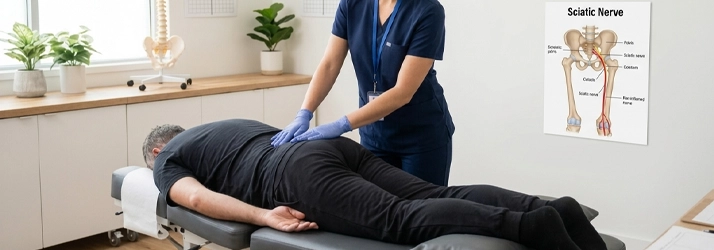
If you've ever felt pain start in your lower back and travel through your buttock and down your leg, you know how quickly it can interfere with normal life. Sitting at work, getting into the car, sleeping, exercising, or simply walking around the house can become uncomfortable. Sciatica and lower back pain are common, but they aren't exactly the same thing. Lower back pain can come from muscles, joints, discs, or other structures around the spine. Sciatica specifically involves symptoms related to irritation or compression of the sciatic nerve or its nerve roots. The good news is that many cases improve with time and conservative care. The key is understanding what may be causing your symptoms and knowing when home care is reasonable—and when you should get evaluated. This guide explains what sciatica is, what causes sciatica and lower back pain in Grand Rapids MI, common symptoms, treatment options, stretches, ways to get relief, and when to see a back pain chiropractor.
What Is Sciatica in Grand Rapids MI?
Sciatica is a group of symptoms caused by irritation or compression involving the sciatic nerve or the nerve roots that contribute to it. The sciatic nerves travel from the lower spine through the buttocks and down the legs.
Unlike ordinary low back pain, sciatica often involves the leg.
You may notice pain traveling from your lower back into your buttock, thigh, calf, or foot. The sensation can feel sharp, burning, aching, tingling, or electric.
Sciatica commonly affects one side of the body.
It is also important to understand that sciatica is a symptom, not a single disease. The underlying cause can be different from one person to another.
For example, one person's symptoms may be related to a disc problem, while another person's symptoms may involve age-related changes around the spine.
.
Sciatica vs. Lower Neck Pain
These terms are sometimes used together, but they describe different patterns. Lower back pain generally stays around the lower back, although it can sometimes spread into nearby areas.
Sciatica typically involves pain or other nerve-related symptoms that travel from the lower back or buttock into the leg.
You can have lower back pain without having sciatica. In fact, the NHS notes that if you only have back pain without leg symptoms, you probably do not have sciatica. That distinction can help when deciding what kind of evaluation you may need.
What Causes Sciatica and Lower Back Pain?
If you're wondering what causes sciatica, there isn't one answer. Sciatica can develop when a nerve root in the lower spine becomes irritated or compressed. A common cause is a disc problem, but other conditions can contribute.
Common causes include:
- Herniated or bulging discs: A disc can protrude and irritate a nearby nerve root.
- Spinal stenosis: Narrowing around the spinal canal or nerve pathways can place pressure on nerves.
- Degenerative spinal changes: Normal age-related changes can sometimes contribute to narrowing or irritation.
- Spondylolisthesis: One vertebra can shift relative to another and potentially affect nearby nerves.
- Injury: Certain injuries can irritate structures around the lower spine.
- Pregnancy: Changes in body mechanics and increased physical demands during pregnancy can contribute to back discomfort, although not every case of pregnancy-related back pain is sciatica.
- Piriformis-related irritation: In some people, structures around the buttock may irritate the sciatic nerve.
What causes lower back pain?
When there is no leg pain or other nerve-related symptom, the cause may be different. Common contributors to lower back pain include:
- Muscle strain
- Ligament strain
- Repetitive lifting
- Sudden changes in physical activity
- Poor movement mechanics
- Prolonged sitting
- Joint-related problems
- Disc-related conditions
- Age-related changes
Sometimes the exact source of back pain cannot be identified from symptoms alone. That's why a good evaluation matters.
Why identifying the cause matters
Two people can both say, "My lower back hurts," while needing completely different approaches.
One person may have a simple episode of muscular back pain that improves with movement and time. Another may have radiating leg pain, numbness, or weakness that requires a more detailed evaluation.
The treatment should match the problem—not simply the word "back pain."
What Are the Common Symptoms of Sciatica?
Knowing what sciatica symptoms are can help you recognize the difference between nerve-related symptoms and ordinary back discomfort.
Common symptoms may include:
- Pain that travels from the lower back or buttock into one leg
- Burning or shooting pain
- Tingling or pins-and-needles sensations
- Numbness
- Weakness in the affected leg or foot
- Pain that becomes worse with certain movements
- Symptoms that increase with coughing or sneezing
- Difficulty sitting comfortably for long periods
Some people have severe leg pain with relatively mild back pain.
Others may have both back and leg symptoms.
The NHS describes typical sciatica symptoms as pain affecting the buttock and back of one leg,
often accompanied by tingling, numbness, or weakness.
When symptoms need more attention
Don't assume every type of leg pain is sciatica.
Symptoms such as progressive weakness, significant numbness, or symptoms affecting both legs deserve prompt medical evaluation.
More importantly, seek emergency care if you develop:
- Numbness around the genitals or anus
- Loss of bladder control
- New inability to urinate
- Loss of bowel control
- Severe or worsening weakness in both legs
- Severe symptoms affecting both sides
These can be warning signs of a serious spinal problem requiring urgent assessment.
What Are the Treatment Options for Sciatica?
Can Sciatica Stretches Help?
- Gentle hamstring mobility
- Hip mobility exercises
- Piriformis-focused stretches
- Gentle spinal movement
- Walking
- Carefully progressed strengthening exercises
How Can You Get Sciatica Pain Relief?
If you're searching for how to relieve sciatica pain, start with simple strategies that don't make your symptoms worse.
Keep moving gently
Short walks and frequent changes in position may be more comfortable than staying seated for hours. If sitting aggravates your symptoms, try breaking up long periods of sitting.
Try heat
A heat pack may help relax tense muscles and provide temporary comfort. Use a comfortable temperature and avoid placing very hot materials directly against your skin.
Use cold when appropriate
Some people find cold therapy helpful during an acute flare. There isn't one universal rule that says everyone should use ice or everyone should use heat. Pay attention to what helps your symptoms.
Find a comfortable sleeping position
Some people feel more comfortable sleeping on their side with a pillow between their knees. Others prefer sleeping on their back with support under their knees. There is no single perfect sleeping position. The goal is to find a position that reduces strain and allows you to sleep comfortably.
Avoid staying in one position
Long periods of sitting can aggravate symptoms for some people. Try changing positions regularly throughout the day.
Don't rely only on temporary relief
Heat, movement, stretching, and other home strategies can help manage symptoms. But if your symptoms keep returning or aren't improving, it's worth finding out why.
When Should You See a Back Pain Chiropractor?
Consider scheduling an evaluation if your back or leg symptoms are interfering with normal activities, returning repeatedly, not improving with reasonable self-care, affecting your ability to exercise or work, accompanied by persistent stiffness or movement limitations, or causing radiating symptoms that you want evaluated.
A chiropractor can assess whether your symptoms appear appropriate for conservative chiropractic care and whether referral to another healthcare professional is more appropriate.
What happens during an evaluation?
A typical evaluation may include a discussion of your symptoms, when they began, previous injuries, activities that aggravate the pain, your health history, and your goals for treatment.
The provider may also assess movement, posture, joint function, and neurological findings relevant to your symptoms.
The purpose isn't simply to find something to adjust. It's to understand the problem and determine whether the proposed treatment makes sense.
When you should seek medical care instead
A chiropractor isn't the right first stop for every back-pain situation.
- New loss of bladder or bowel control
- Numbness around the groin or buttocks
- Severe or worsening weakness
- Significant symptoms in both legs
- Major trauma
- Fever with significant back pain
- Other symptoms suggesting a serious underlying condition
The American College of Radiology identifies severe or progressive neurological deficits and suspected serious underlying conditions as situations requiring further diagnostic evaluation.
When in doubt, getting the right evaluation is more important than choosing a specific treatment.
Frequently Asked Questions
What Is Sciatica?
Sciatica describes symptoms involving the sciatic nerve or its contributing nerve roots, usually causing pain or other sensations that travel from the lower back or buttock into the leg. Symptoms can include pain, tingling, numbness, or weakness.
What Causes Sciatica and Lower Back Pain?
Sciatica can be associated with conditions such as herniated discs, spinal stenosis, and other causes of nerve irritation. Lower back pain without leg symptoms can have many causes, including muscle strain, joint problems, disc-related conditions, and age-related changes.
What Are the Common Symptoms of Sciatica?
Common symptoms include pain traveling from the lower back or buttock into one leg, burning or shooting pain, tingling, numbness, and sometimes weakness in the leg or foot.
What Are the Treatment Options for Sciatica?
Treatment depends on the underlying cause. Options may include maintaining activity, exercise, rehabilitation, medication, manual therapy, and in selected cases chiropractic care or other interventions. Persistent or serious symptoms may require additional medical evaluation.
Can Sciatica Stretches Help?
Gentle exercises and stretches may help some people, particularly when mobility or muscle tightness contributes to symptoms. However, exercises that increase radiating pain, numbness, or weakness should not be forced.
How Can You Get Sciatica Pain Relief?
Gentle movement, changing positions regularly, heat or cold therapy, comfortable sleeping positions, and appropriate exercise may help manage symptoms. If symptoms persist, worsen, or interfere with daily activities, professional evaluation is appropriate.
Final Thoughts
Sciatica and lower back pain can make ordinary activities surprisingly difficult, but experiencing these symptoms doesn't automatically mean you'll need surgery or invasive treatment.
Many people improve with conservative care, activity modification, exercise, and time. Others need a more individualized evaluation because the underlying cause is different.
The most important step is understanding what you're actually dealing with.
If your pain travels into your leg, causes tingling or numbness, keeps coming back, or interferes with your normal activities, don't simply keep guessing at home remedies.
A proper evaluation can help determine whether chiropractic care or another form of treatment is appropriate for you.
Sciatica and Lower Back Pain Care at Innovative Health & Chiropractic
If you're looking for chiropractic care for back or mobility concerns in Grand Rapids, Michigan, Innovative Health & Chiropractic provides several conservative care options.
The clinic's listed services include:
The practice is led by Cory Wellman, D.C., Lead Chiropractic Physician, who describes his approach as focused on individualized chiropractic care, modern rehabilitation, and muscle work.
The clinic states that it works with patients across different age groups, from children and teenagers to adults and older adults.
Author Bio
Dr. Cory Wellman leads Innovative Health & Chiropractic with a patient-focused approach to chiropractic care, rehabilitation, and wellness.
He provides individualized care designed around each patient's needs and goals, with an emphasis on helping people move more comfortably and function at their best.
Dr. Wellman works with a wide range of patients, including children, teenagers, adults, and older adults.
His approach combines chiropractic care with modern rehabilitation and muscle-focused techniques when appropriate.
At Innovative Health & Chiropractic, his goal is to provide a high standard of patient experience while creating care plans that are tailored to the individual rather than relying on a one-size-fits-all approach.

OFFICE HOURS
Monday
8:00am - 6:00pm
Tuesday
11:00am - 7:00pm
Wednesday
8:00am - 4:00pm
Thursday
11:00am - 7:00pm
Friday
9:00am - 12:00pm
Saturday & Sunday
Closed

Innovative Health & Chiropractic
6651 Crossings Dr SE Ste B
Grand Rapids, MI 49508