

What Is Myofascial Release Therapy in Grand Rapids MI? How It Works, Benefits, Risks and Who Can Benefit
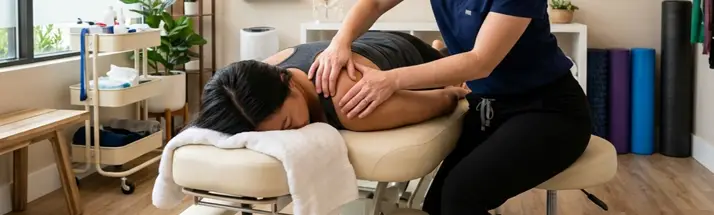
If you've been struggling with muscle tightness, chronic pain, or limited mobility, you may be looking for a treatment that goes beyond traditional massage. What is Myofascial Release Therapy in Grand Rapids MI? It's a hands-on treatment designed to relieve tension in the body's connective tissues, helping reduce pain and improve movement naturally.
At Innovative Health & Chiropractic - Grand Rapids MI, we've seen how myofascial release therapy can help patients recover from injuries, manage chronic discomfort, and move more comfortably. In this guide, we'll explain how the therapy works, its benefits, potential risks, and who can benefit from it.
What Is Myofascial Release Therapy in Grand Rapids MI?
What is Myofascial Release Therapy? It is a specialized manual therapy that focuses on releasing tension in the fascia, the thin layer of connective tissue that surrounds muscles, bones, nerves, and organs throughout the body.
When fascia becomes tight or restricted due to injury, poor posture, stress, or repetitive movement, it can cause pain and limit mobility. Myofascial release therapy uses slow, sustained pressure to stretch and loosen these restrictions, restoring normal movement and reducing discomfort.
Unlike traditional massage, this therapy targets the connective tissue rather than only the muscles.
What Is Fascia?
Fascia is a strong yet flexible network of connective tissue that supports and protects nearly every structure in your body. Healthy fascia moves freely, allowing muscles and joints to function properly.
However, when fascia becomes stiff or develops adhesions (areas where tissue sticks together), it can lead to:
- Muscle tightness
- Chronic pain
- Limited flexibility
- Poor posture
- Reduced range of motion
Keeping fascia healthy is essential for comfortable, pain-free movement.
How Does Myofascial Release Therapy Work?
Many people ask, How does myofascial release therapy work?
During treatment, a trained therapist locates areas where the fascia feels tight or restricted. Gentle, sustained pressure is then applied for several minutes, allowing the connective tissue to gradually relax.
Unlike deep tissue massage, there are no quick or forceful movements. The slow approach allows the fascia to release naturally without causing unnecessary discomfort.
As restrictions decrease, blood circulation improves, muscles relax, and joint mobility often increases.
How Myofascial Release Therapy Works
- The treatment focuses on restoring normal movement within the connective tissues.
- The process typically includes:
- Evaluating areas of tightness and restricted movement.
- Applying gentle pressure to affected tissues.
- Holding the pressure until the fascia begins to soften.
- Repeating the technique across different areas as needed.
- Reassessing movement and flexibility after treatment.
This personalized approach helps address the root cause of pain instead of simply masking symptoms.
Myofascial Release Techniques
Several Myofascial Release Techniques may be used depending on your condition.
Some common techniques include:
- Sustained pressure technique
- Cross-hand stretching
- Skin rolling
- Direct fascial release
- Indirect fascial release
- Triggered movement release
Each technique is selected based on your symptoms, mobility, and treatment goals.
What Does Myofascial Release Therapy Treat?
Many patients wonder, What does myofascial release therapy treat?
This therapy is commonly used to help manage:
- Neck pain
- Back pain
- Shoulder pain
- Hip pain
- Sciatica
- Plantar fasciitis
- Fibromyalgia
- Headaches
- Sports injuries
- Muscle stiffness
- Postural imbalances
- Scar tissue restrictions
It may also support recovery after surgery or injury when recommended by a healthcare professional.
How Is Myofascial Release Performed?
If you're new to treatment, you may ask, How is myofascial release performed?
A therapy session usually begins with an evaluation of your posture, movement patterns, and areas of discomfort.
The therapist then applies slow, sustained pressure using their hands to stretch restricted fascia. Unlike massage, lotions or oils are usually not used because the therapist needs direct contact with the tissue.
Sessions generally last between 30 and 60 minutes.
What Happens During Myofascial Release Therapy?
During treatment, you may notice:
- Gentle stretching sensations
- Mild pressure
- Warmth in treated areas
- Gradual relaxation
- Increased mobility
Many patients begin to feel tissue release during the session, while others notice improvement over the following days.
What Should I Expect During Myofascial Release Treatment?
Every treatment plan is personalized, but most patients can expect:
- A detailed health assessment
- Hands-on treatment
- Minimal discomfort
- Gradual improvements over multiple sessions
- Home stretching recommendations
Your therapist may also suggest posture corrections and strengthening exercises to maintain your results.
What Are the Benefits of Myofascial Release Therapy?
There are many reasons healthcare providers recommend this treatment.
Benefits include:
- Reduced chronic pain
- Improved flexibility
- Better posture
- Increased circulation
- Faster recovery from injuries
- Reduced muscle tension
- Improved joint mobility
- Better athletic performance
- Reduced stress and relaxation
- Enhanced overall movement
These improvements can make everyday activities easier and more comfortable.
Who Would Benefit From Myofascial Release Therapy?
Many people can benefit from treatment.
It may be especially helpful for individuals with:
- Chronic muscle pain
- Sports injuries
- Office-related posture problems
- Neck and shoulder tension
- Fibromyalgia
- Arthritis-related stiffness
- Scar tissue
- Limited flexibility
- Repetitive strain injuries
People of all activity levels may benefit after a proper evaluation.
Why Do I Need Myofascial Release Therapy?
You may benefit from therapy if pain or stiffness is affecting your daily life.
Unlike treatments that focus only on symptoms, myofascial release addresses the connective tissue restrictions contributing to discomfort and reduced mobility.
Early treatment may also help prevent small problems from becoming long-term conditions.
Does Myofascial Therapy Hurt?
One of the most common questions is, Does myofascial therapy hurt?
Most patients describe the treatment as gentle rather than painful.
You may feel mild discomfort when pressure is applied to tight areas, but the sensation typically decreases as the fascia begins to release. Your therapist will adjust the pressure to keep you comfortable throughout the session.
What is self-myofascial release?
Self-myofascial release is a technique you perform at home using tools like:
- Foam rollers
- Massage balls
- Handheld massage sticks
These tools help reduce muscle tightness between professional treatments. However, they may not be as effective as treatment provided by a trained therapist.
Is Myofascial Release the Same as Trigger Point Therapy?
No.
Although both treatments relieve pain, they target different tissues.
Myofascial Release Therapy
Trigger Point Therapy
- Treats fascia restrictions
- Treats muscle knots
- Uses sustained pressure
- Applies focused pressure to trigger points
- Improves overall mobility
- Relieves localized muscle pain
- Gentle stretching techniques
- More direct compression
Both therapies may sometimes be combined during treatment.
What's the Difference Between Myofascial Release Therapy and Fascial Stretch Therapy?
While both treatments improve movement, they work differently.
Myofascial Release Therapy
Fascial Stretch Therapy
- Focuses on fascia restrictions
- Focuses on assisted stretching
- Gentle sustained pressure
- Guided stretching movements
- Targets pain relief
- Improves flexibility and mobility
- Hands-on tissue release
- Full-body movement approach
Your provider will recommend the best option based on your condition.
What Is the Difference Between Myofascial and Massage Therapy?
Massage therapy primarily focuses on relaxing muscles.
Myofascial release therapy focuses specifically on the connective tissue surrounding muscles.
While both can reduce pain, myofascial release is often recommended for chronic movement restrictions and long-term tissue dysfunction.
What Are the Risks of Myofascial Release Therapy?
Most people tolerate treatment very well.
Possible side effects include:
- Mild soreness
- Temporary tenderness
- Slight bruising
- Fatigue
- Temporary redness
Serious complications are rare when treatment is performed by a qualified provider.
What Are the Side Effects of Myofascial Release?
The most common side effects usually resolve within one or two days.
You may experience:
- Muscle soreness
- Increased hydration needs
- Mild fatigue
- Temporary sensitivity
Drinking plenty of water after treatment may help support recovery.
What Does It Feel Like When Fascia Releases?
Many patients describe the sensation as:
- A gentle stretch
- Warmth spreading through the area
- Reduced tightness
- Increased freedom of movement
- A feeling of relaxation
Each person's experience is different, but many notice improved mobility immediately after treatment.
What Happens After Myofascial Release Therapy?
After treatment, you may notice:
- Improved flexibility
- Easier movement
- Reduced pain
- Better posture
- Greater relaxation
Your therapist may recommend stretching exercises and proper hydration to maximize results.
What Ages Are Best Suited for This Type of Therapy?
Myofascial release therapy may benefit teenagers, adults, and older adults.
Treatment plans are always customized based on age, health history, and individual needs. A healthcare provider will determine whether the therapy is appropriate for your condition.
Frequently Asked Questions
How does myofascial release therapy work?
It works by applying slow, sustained pressure to tight fascia, helping release restrictions, improve blood flow, and restore normal movement.
What is the difference between myofascial and massage therapy?
Massage therapy primarily targets muscles for relaxation, while myofascial release therapy focuses on the connective tissue surrounding muscles to improve mobility and reduce chronic pain.
What are the side effects of myofascial release?
Most side effects are mild and temporary, including soreness, tenderness, fatigue, or slight bruising that usually resolves within a day or two.
What does it feel like when fascia releases?
Many people describe the sensation as warmth, gentle stretching, reduced tightness, and improved freedom of movement during or shortly after treatment.
Conclusion
What is Myofascial Release Therapy? It is a safe, hands-on treatment that helps reduce pain, improve mobility, and restore healthy movement by releasing restrictions in the body's fascia. Whether you're recovering from an injury, dealing with chronic pain, or simply looking to move more comfortably, this therapy may be an effective option.
If you're experiencing ongoing muscle tightness or restricted movement, the team at Innovative Health & Chiropractic can evaluate your condition and create a personalized treatment plan to help you feel your best.

OFFICE HOURS
Monday
8:00am - 6:00pm
Tuesday
11:00am - 7:00pm
Wednesday
8:00am - 4:00pm
Thursday
11:00am - 7:00pm
Friday
9:00am - 12:00pm
Saturday & Sunday
Closed

Innovative Health & Chiropractic
6651 Crossings Dr SE Ste B
Grand Rapids, MI 49508